My first job out of college was at Triangle Plastics. No intranet. No digital signage. No apps. I printed newsletters. I made table tents. I posted things on bulletin boards and walked around the building passing them out.
The people keeping our customers happy are working the frontline and not reading company emails. My job, come to them.
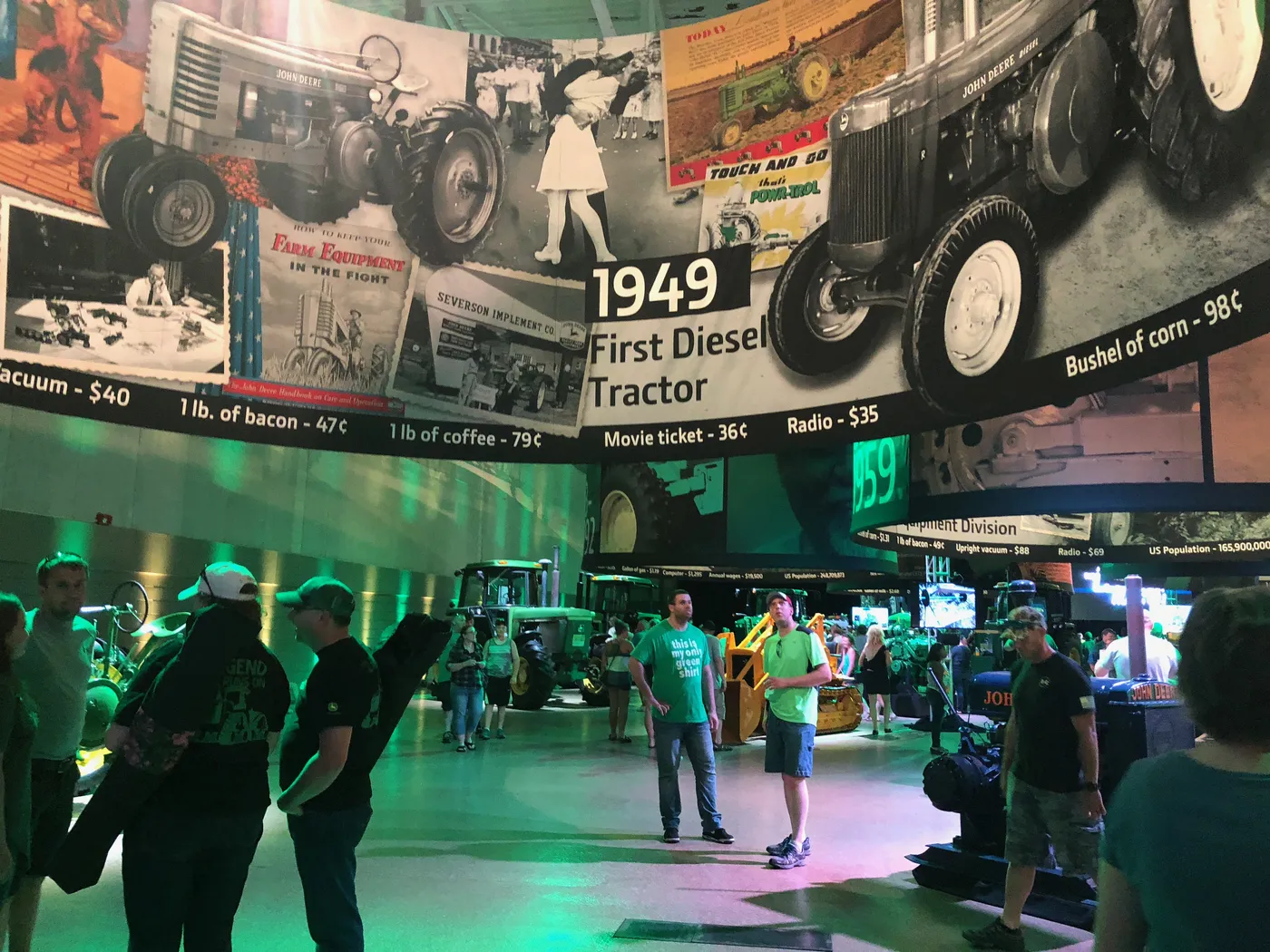
Reaching 5,000+ manufacturing employees across five locations, or 8,000 in small pockets across the United States, the challenge has remained the same: getting the message to where they work. Across manufacturing floors, a licensed daycare, and some of the largest employee events in John Deere's history, I have been solving this same problem with whatever was available.
Every Business Needs Communication. Mine Had a Diaper Bag.
When I ran my own licensed daycare, I was still practicing the same instinct. I created daily report cards that went home in the diaper bag: what the child ate, how long they napped, what made them laugh that day. I put together scrapbook pages sharing photos and funny stories for our special days: Groundhog Day, Valentine's Day, story hour at the library, a backyard picnic, birthday celebrations. It was a way for parents to feel connected to a place they couldn't be during the day. A conversation starter. As it turns out, memories that parents treasured. Some of them showed up on display at their graduation parties years later.
I didn't know it at the time, but I was building the same thing I'd spend the next two decades building in manufacturing: a channel that reached people where they were, with something personal enough to matter.
When I joined John Deere as an admin at Engine Works, about 500 employees which felt enormous, I noticed almost immediately that the manufacturing side had no idea what the machining side was doing. Two groups in the same building, working toward the same product, operating like strangers.
No one asked me to fix it. I picked up a camera.
We called it the Roving Reporter series. I went out to the factory floor and filmed new equipment installations, process improvements, and operations people rarely got to see up close, like the paint line. I interviewed the subject matter experts and the operators themselves. We played the videos at our monthly and quarterly meetings.
They were popular. The lineup of future projects filled up fast. The factory manager noticed. He realized the plant needed a full-time communications coordinator. That role became mine, and eventually led to a promotion to Communications Specialist for John Deere Waterloo Works, which encompassed all five manufacturing locations and more than 5,000 employees.
I never thought of it as making a case. I saw something missing and suggested I go to the floor with a camera.
Building the Infrastructure, Layer by Layer
At Waterloo Works, one of my first major projects was leading the brand strategy rollout after John Deere standardized all acquired businesses under one identity. An $8.8 billion brand. Every department, every building, every template had to align, which meant no more department logos, no more creative interpretations of the John Deere colors, and yes, an actual conversation with someone who wanted to use a Superman design in John Deere green and yellow. (We also redirected a plan for a green and yellow checkered breakroom floor.)
But the bigger insight was happening on the factory floor. Being out in every building, not just to drop off information but to be present, I started hearing what employees didn't know. I'd mention a blood drive or an employee picnic and get a blank stare.
"I have no idea what you're talking about."
Supervisors were carrying too much. We couldn't keep asking them to add another talking point to the start of every shift. So we went after a new channel: digital displays.
It was clunky at first. Not one cohesive system; some screens ran off flash drives, others were standalone. But we built consistent templates and started pushing the information that had been sitting in supervisor inboxes: employee events, fundraising campaigns, quarterly meeting dates, safety incidents, production schedules.
We kept the Supervisor Daily Talk Sheets, but I sat with that group and asked them what they needed. The answer was clear: five seconds. A glance at what to share at the start of shift. We built to that. Short, specific, usable.
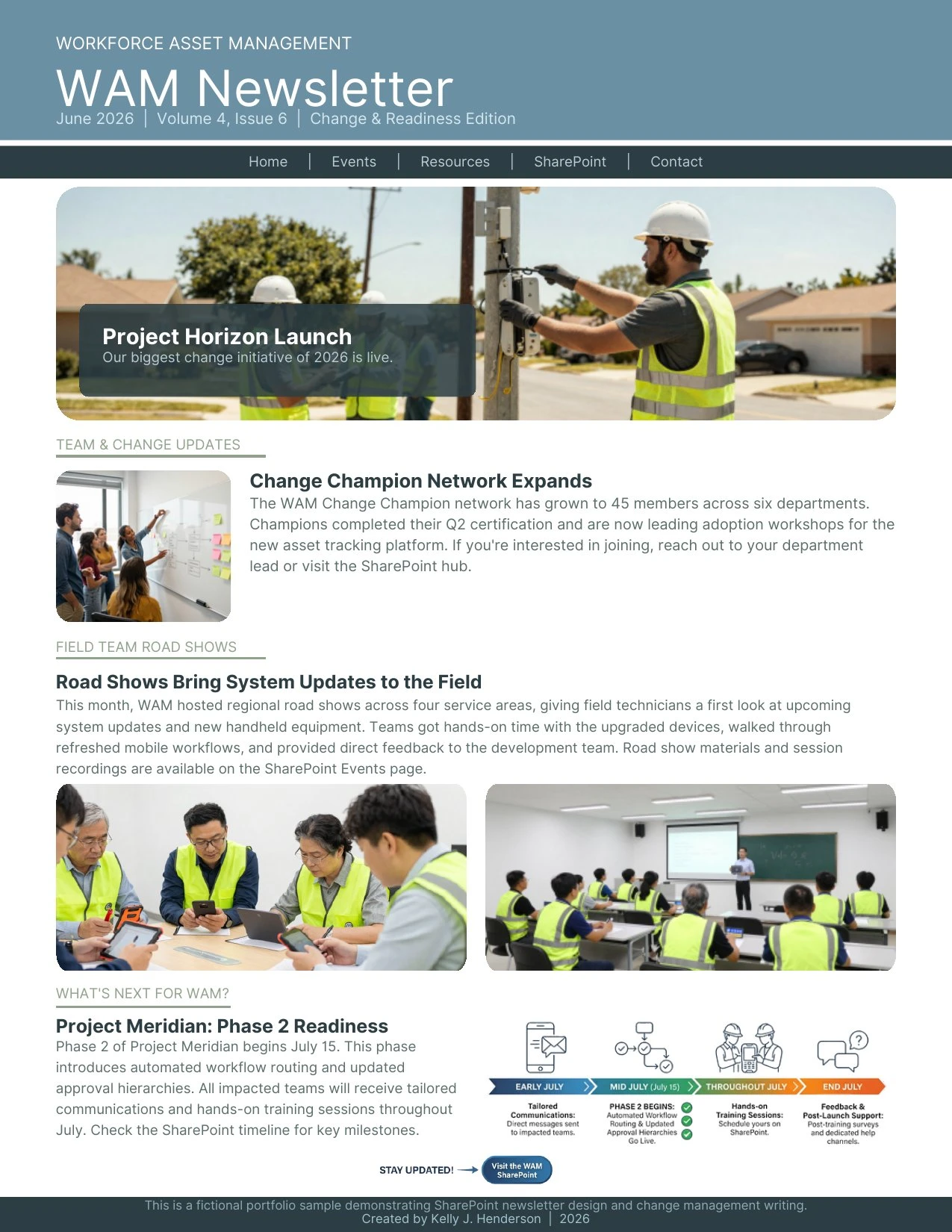
When I moved into a manager role, we implemented SharePoint to upgrade our intranet, added floor kiosks, and pushed the homepage to workstation screens. We saw a 60% increase in engagement, measured in open rates and read time. Content requests went up. Employees weren't just consuming information. They were asking for more of it.
When Face-to-Face Is the Only Thing That Works
The infrastructure was working. But something was still missing.
Early on, leaders would record their quarterly updates in a recording studio and send them out. It felt efficient. It wasn't. The feedback from the floor was direct:
"If I'm not important enough for them to show up, they're not important enough for me to listen."
The real turning point came with a new factory manager. He was known as the "engager." He was also a fixer. And he got it in a way that is hard to explain until you've seen it.
He had a way of moving through the plant that I can only describe as a mosey. Slow, deliberate, no urgency. He'd stop at a workstation and ask about someone's kid's baseball game before he ever asked about production numbers. He learned names. He remembered details. He made people feel like the conversation he was having with them was the only one that mattered that day.
He set a standard that everyone who worked for him, worked alongside him, or simply heard stories about him carried forward. That's the thing about leaders who show up: the behavior outlasts the role.
He came into a location with low production rates. The factory wasn't staying in sequence, which meant production bonuses were gone. Employees were frustrated. Leadership had lost credibility. He knew the only way through was to go to the floor himself, every team, every shift, and tell them the plan.
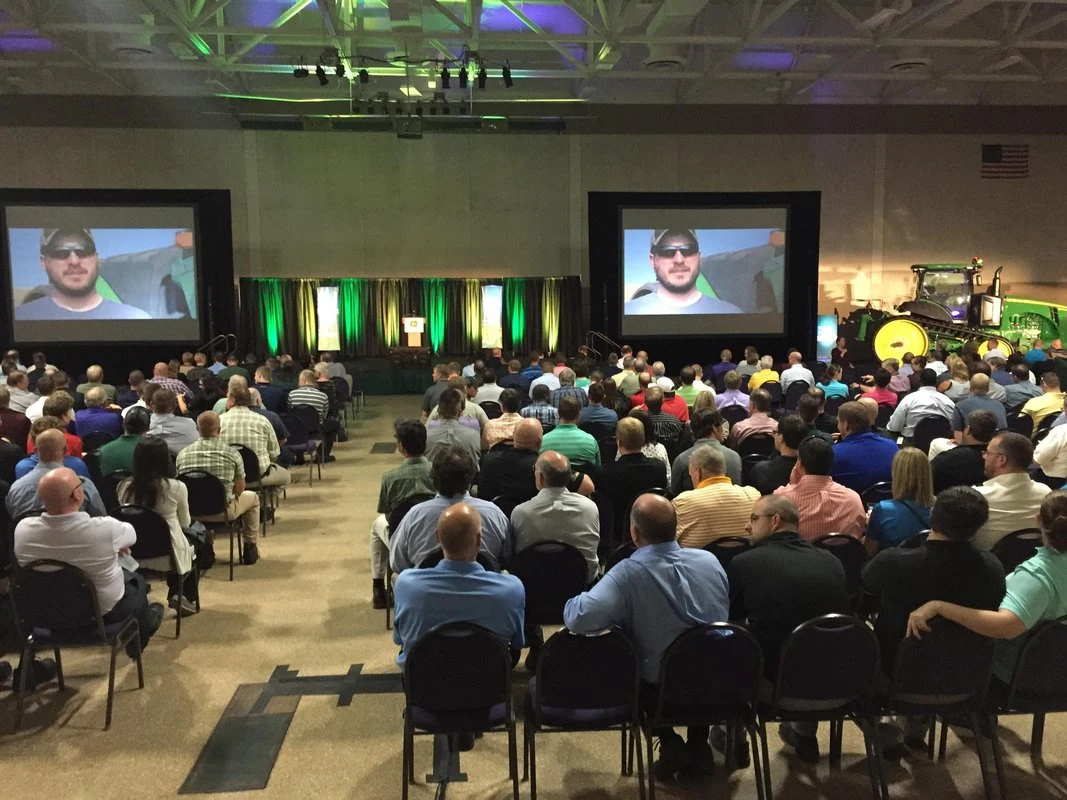
We built the structure together: 60 face-to-face meetings in one week, every quarter. A week and a half, three shifts, every building, every crew. Not one big all-hands where the message dilutes by the time it reaches the third shift. The same meeting, at the same quality, delivered to every employee on the floor where they worked.
He promised them 60% production rates within a year.
Some of those early meetings were hard. People yelled. Some walked out. There was sarcastic laughter, the kind that comes from employees who have heard promises before. He took all of it. He stayed in the room. I sat in the back and wrote down everything.
The Agenda
20 to 30 minutes of business updates. Not Excel tables on a PowerPoint. Images from the news showing what was affecting the business. Safety metrics told as stories about real injuries, not statistics to scroll past.
At least 20 minutes of open floor. Whatever they wanted to talk about. In the beginning, that meant complaints. We took every one back to staff. The ones that could be fixed immediately were. He made sure they had ergo mats. The small things built the credibility for the big ones.
I have put on the metatarsals, the bump cap, the gloves, the safety glasses. I go to the floor because the people on it are the experts, and that is where the real information lives. I am not there to prove I can do their work. I am there to ask, listen, and build the kind of relationships where honest communication happens. What I will say is this: a morning on the factory floor does not pair well with looking professional the rest of the day. I go anyway.
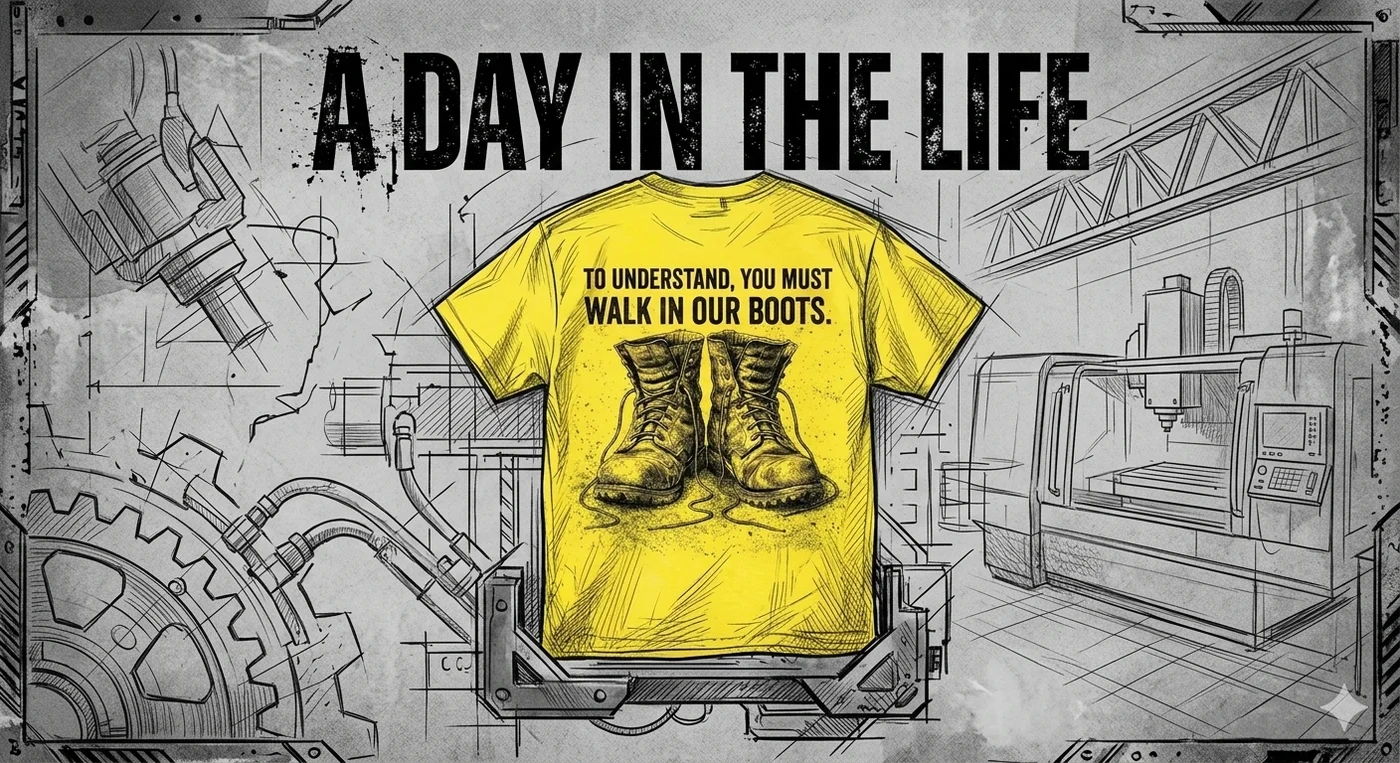
A three-day immersion program — leaders on the floor, production employees in charge.
See the program →
What the Research Confirms
The instincts behind all of this have since been validated by organizational research, but the research didn't create the approach. The floor did.
Deskless workers are the majority
An estimated 80% of the global workforce doesn't sit at a desk, about 2.7 billion people, according to Emergence Capital. Those employees are usually the last to hear anything. The tools most companies invest in were built for the other 20%.
Complex messages require face-to-face
Questions asked in the room get answered before they become rumors on the floor. A message delivered by a known leader carries more weight than the same words on a screen, because the leader is accountable for it in a way a poster never is.
Multi-shift gaps are structural
The first shift hears the message. The second shift hears a summary. The third shift hears what the second shift remembered. Sixty meetings per quarter isn't redundancy. It's equity.
Supervisors are the channel
Gallup's research shows the relationship between an employee and their direct supervisor is the single biggest driver of engagement. The Daily Talk Sheets, built to a five-second glance, were built for that reality.
What I Know Now
Face-to-face is a strategy, not a fallback. In manufacturing environments, in-person communication is not what you do when digital doesn't work. It is the primary channel. Everything else supports it.
Equity requires repetition. Multi-shift environments mean the same message must be delivered multiple times, at the same quality, to count as delivered once. Sixty sessions is not inefficient. Skipping shifts is.
Trust built in normal times holds in hard ones. The infrastructure held during COVID, a labor action, and supply chain disruptions because it had been built in ordinary times, not scrambled together in a crisis.
Recognition flows in both directions. Giving production employees a platform to present their work to leadership transforms a meeting from a broadcast into a conversation. That distinction is the difference between employees who are informed and employees who are engaged.
And sometimes the most important thing you can do is stay in the room.
The factory manager who walked into meetings where people yelled and walked out didn't fix production rates with a presentation. He fixed them by coming back. Sixty times a quarter. For a year. Until the floor believed that when he said something, he meant it.
A year later, all but three departments across all of Waterloo Works were well above his promised production rates. And at those quarterly meetings, the same meetings where people had yelled, walked out, and laughed in disbelief, employees were now standing in line afterward. To talk. To shake his hand on the way out the door.
That's not a communication strategy.
That's what communication is for.